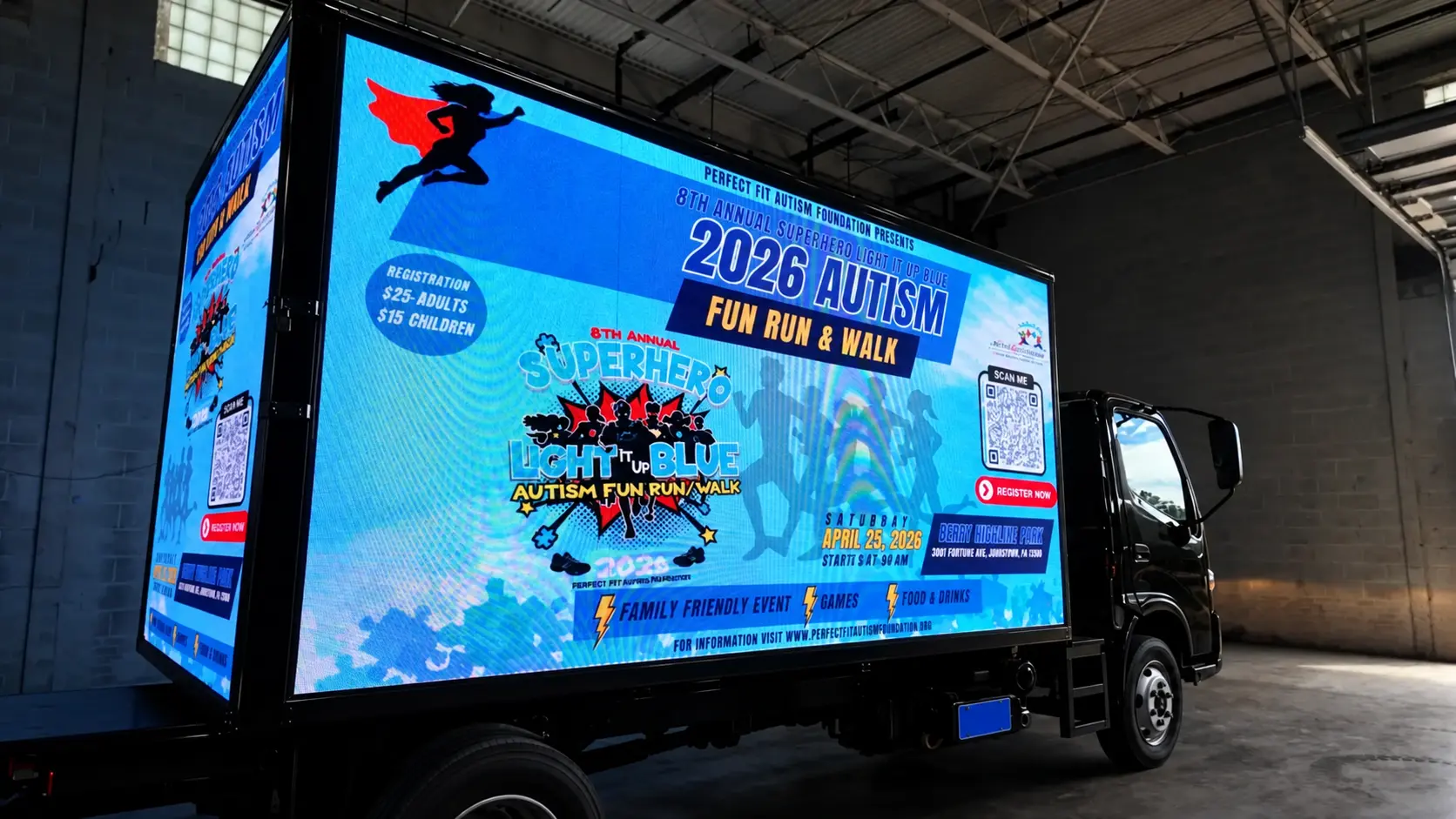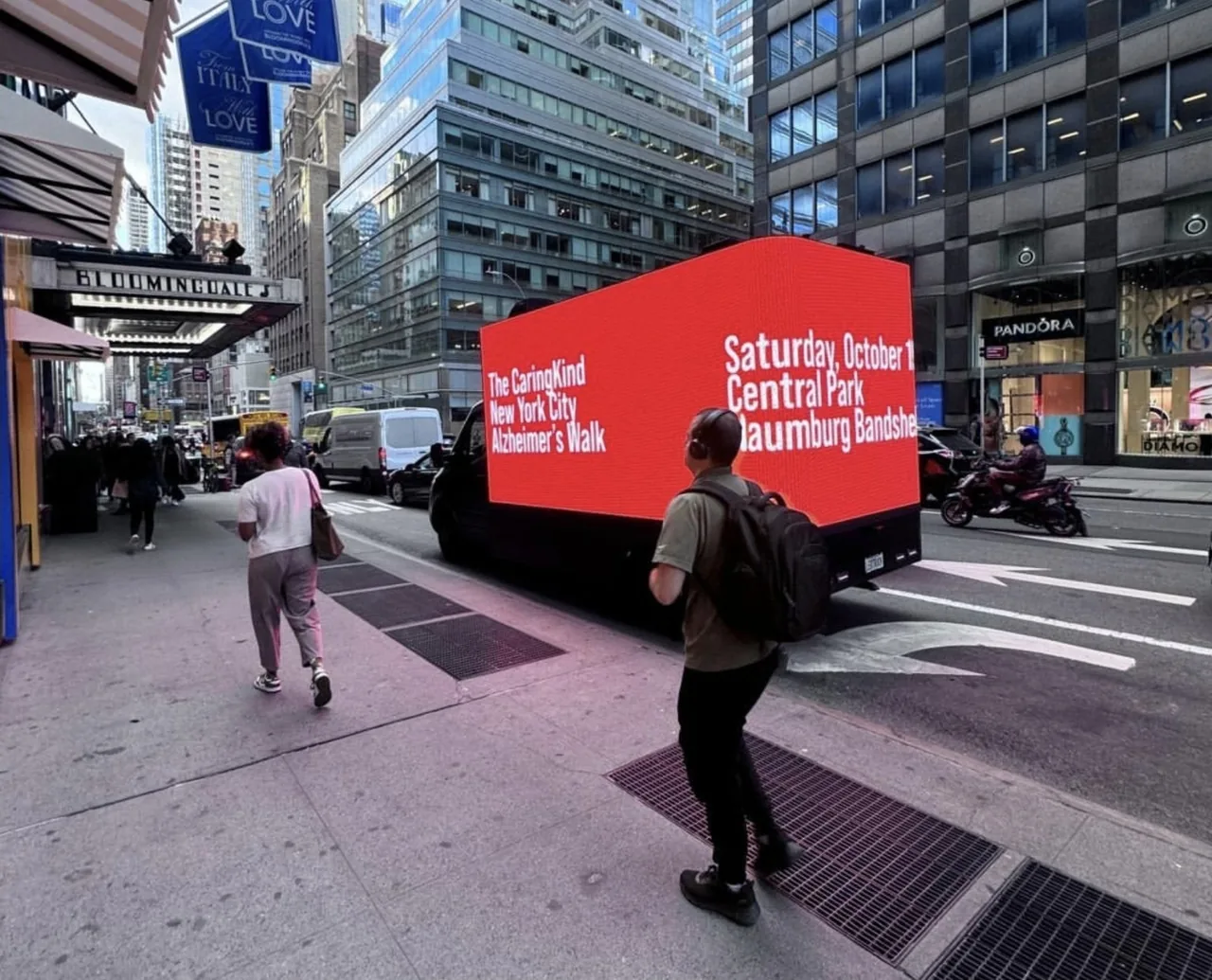
Nonprofits often need to reach people outside an existing email list: families affected by an issue, potential volunteers, event participants, donors or residents who may benefit from a service. A digital mobile billboard can carry one clear message through the communities and event areas where those people already spend time.
The strongest nonprofit campaign is not a mission statement placed on a truck. It is a focused invitation tied to one audience, one action and a route that supports both. That may be “Register for the walk,” “Free screening Saturday,” “Volunteer this weekend” or “Learn the warning signs.”
Choose one job for the campaign
Start by deciding what the screen must accomplish. Awareness and response are related, but they require different measurement. A public-education campaign may be evaluated through route delivery, website lift and informational downloads. A fundraising event may track registrations, donations and day-of attendance.
- Awareness: introduce an issue, service or local resource
- Event participation: drive registrations for a walk, gala, drive or community day
- Volunteer recruitment: direct people to a short sign-up page
- Fundraising: promote a specific, transparent campaign or matching period
- Public service: share a hotline, screening date, safety message or assistance resource
Do not combine all five on one screen. Choose the priority and move the detail to a landing page.
A four-phase nonprofit campaign
Phase 1: Introduce the cause
Begin with a short, human headline and recognizable visual. Name the organization clearly. If the issue is sensitive, avoid graphic imagery or language that could distress a broad street audience. Make accessibility part of the creative review: large type, strong contrast and plain language improve comprehension.
Phase 2: Invite one action
Change the creative to the specific action: register, volunteer, donate, attend or learn. Use a short memorable URL. A QR code can support pedestrian zones, event entrances or lawful stopped activations, but it should never encourage a driver to scan.
Phase 3: Concentrate around the event
For a walk, run, food drive or community event, schedule the truck around arrival and departure periods and nearby public-road routes. Confirm event rights and access separately. Booking a truck does not automatically include entry into the venue, use of the event logo, reserved parking or permission to operate inside a closure.
Phase 4: Report and thank
After the event, a short thank-you frame can recognize the community or share a verified result supplied by the organization. Keep the truck’s route records, proof-of-performance images and response data in the sponsor recap. Never claim impressions, donations or attendance that the reporting does not support.
Build the route around people who can act
A broad route may look impressive but waste limited funds. A health nonprofit might prioritize medical districts, community centers and relevant neighbourhoods. An animal organization may focus on pet-friendly retail corridors and adoption events. A youth organization can reach families around approved community events without targeting schools or children inappropriately.
Map the audience first, then choose legal public-road approaches and useful hours. Event calendars, traffic controls, vehicle restrictions and local sign rules can change the final plan. Exclusive campaigns can be proposed around the organization’s schedule; shared campaigns follow an established route and rotation.
Use sponsors without losing the mission
A sponsor can underwrite the campaign, but the creative should preserve the nonprofit’s message. Agree in advance on logo size, number of sponsor frames, approval rights and reporting. If several sponsors participate, rotate clean frames rather than reducing every logo to unreadable size.
The truck can also become part of a sponsor package: campaign photos, route documentation and event-day content give the sponsor tangible proof that its support was visible. Keep every benefit accurate and avoid promising a specific audience size unless a defensible measurement source is included.
Shared or exclusive?
An exclusive Total Takeover™ gives the nonprofit full creative control during the contracted campaign and supports custom scheduling, subject to market availability and local requirements. It works well for a defined awareness week, major event or sponsor-funded activation.
A shared program can lower the entry cost where one is active, but the nonprofit shares the rotation and does not control the full route. ELITE 305 Miami is the current Miami shared program. Availability is limited, and a nonprofit category or sponsor conflict should be checked before booking.
Measure what matters
Separate delivery from outcome. Route records, operating hours and campaign images show that the truck ran. The nonprofit’s landing page, registration form, donation platform, promo code or volunteer form measures response.
- Use one campaign landing page and tagged links
- Record registrations, donations or volunteer applications during the campaign window
- Ask participants how they heard about the event
- Compare branded search and direct website traffic with a normal baseline
- Document qualitative response without treating it as an exact impression count
For a fuller measurement framework, read the complete mobile billboard advertising guide.
Nonprofit campaign brief
- Organization, mission and campaign objective
- One primary audience and one requested action
- Market, dates and event details
- Desired route areas and any known restrictions
- Approved logo, imagery and sponsor requirements
- Donation, registration or volunteer destination
- Accessibility, language and sensitivity considerations
- Reporting needed for the board, grant file or sponsors
Awareness campaign example
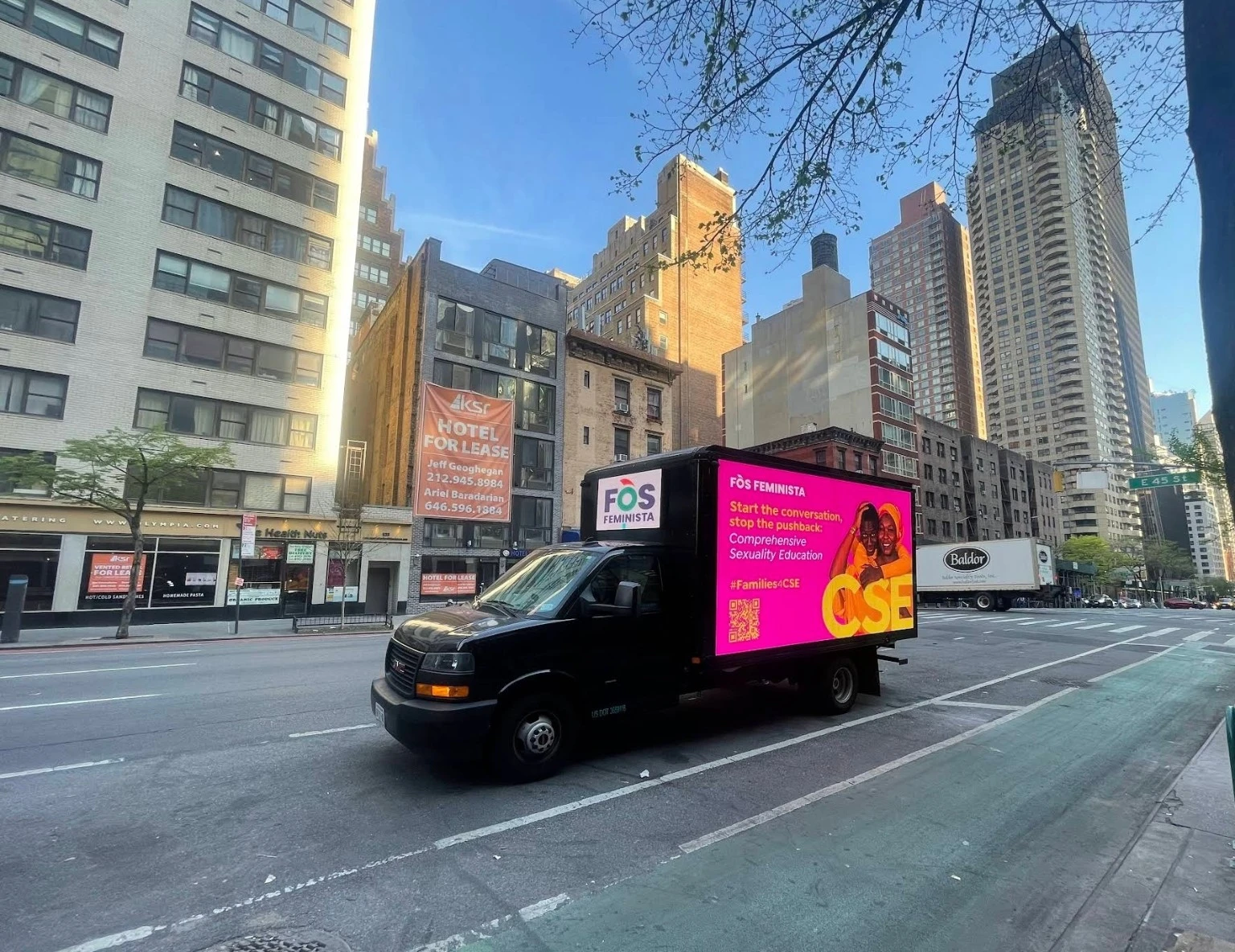
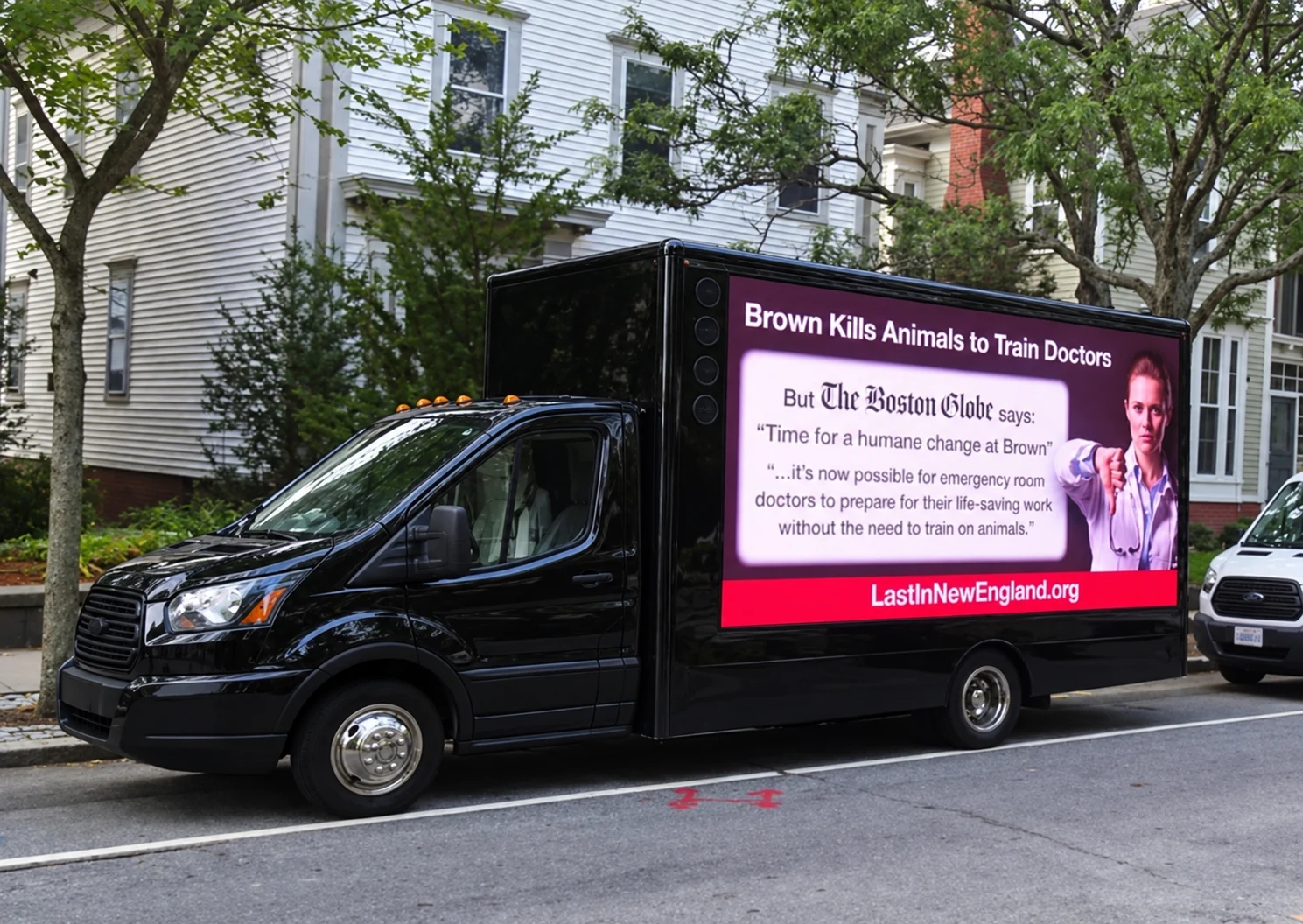
Planning a nonprofit awareness campaign?
Tell us the market, dates, audience and action. We’ll recommend a focused truck, route and schedule for your mission.
Request a Nonprofit Quote