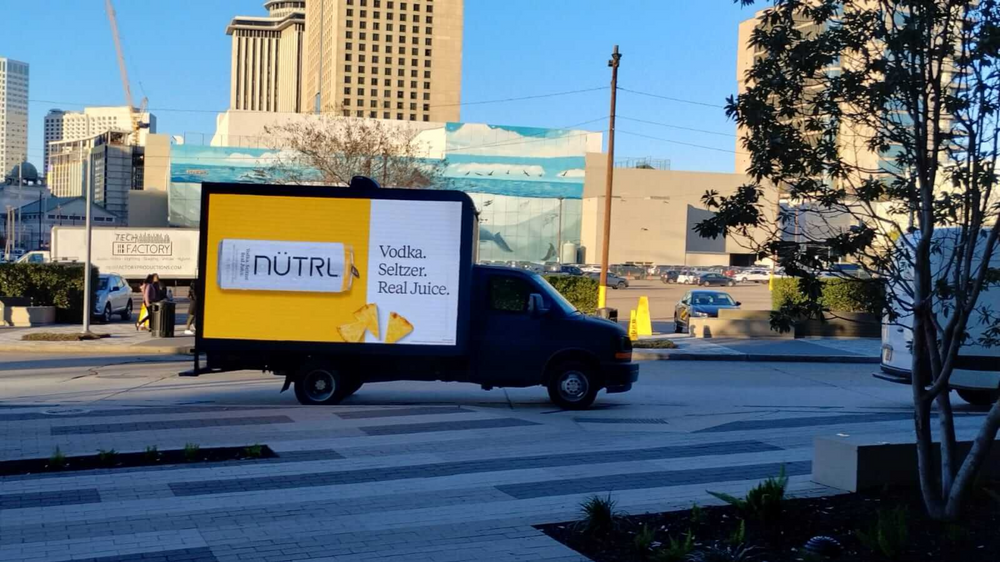
A convention brings a valuable audience into a small part of a city for a limited period. Exhibitors, sponsors, agencies and nearby businesses are all competing for attention at the same time. A digital mobile billboard can extend a campaign beyond the booth by operating on public-road routes near convention hotels, dining areas, attendee transportation corridors and evening events.
The truck is most effective when it supports a clear event objective. It should not circle without a plan or depend on access to private venue property. The route, operating windows, creative and response path must work together.
Start with the attendee journey
Map the moments when the target audience is moving through the city. Common windows include airport and hotel arrivals, the morning trip to the venue, lunch breaks, exhibit-hall closing, sponsor events and evening dining. One continuous route may not serve every moment. A stronger schedule often uses concentrated blocks around the periods that matter most.
Arrival and registration
Early in the event, the message may need to introduce the company, booth number or hosted experience. Routes can emphasize major convention hotels, public approaches to the venue and approved transportation corridors. Airport coverage can be considered when it fits the market, but travel time should not reduce the more valuable hours near the event district.
Show hours and meeting periods
When attendees are inside, the immediate venue perimeter may produce fewer useful impressions. That time can be used to reach local decision-makers, nearby offices or complementary business districts. The truck can then return for the exhibit-hall closing window, subject to traffic, closures and safe operating conditions.
Evening events and hospitality
After sessions end, attendees spread into restaurant, entertainment and hotel districts. Creative can change from a brand message to a reception invitation, product demonstration, limited offer or memorable follow-up URL. Exact routes remain flexible for congestion and local restrictions.
Choose a campaign objective
Give the truck one primary job. Useful goals include driving qualified booth visits, announcing a product launch, supporting a scheduled demonstration, promoting an off-site reception, reaching attendees who are not visiting the exhibit hall, or building category awareness around a major industry week.
A narrow objective makes the creative easier to read and the campaign easier to measure. “Visit booth 214,” “Book a demo,” or a short event-specific URL is more actionable than a crowded list of services.
Build creative for a brief glance
Use a short headline, strong color contrast, one recognizable image or brand mark and one next step. If a booth number matters, make it large. If the truck will operate after dark, test the artwork at realistic screen brightness. Avoid detailed schedules, multiple phone numbers and long QR-dependent instructions.
A QR code can support pedestrian or stationary viewing, but it should not encourage drivers to scan while moving. Pair it with a memorable URL or search phrase. When multiple creative files rotate, make sure each one works independently rather than forcing viewers to see a sequence.
Plan the route around real event geography
Convention districts differ. Orlando's convention and visitor corridor operates differently from downtown Chicago, the Las Vegas resort corridor or Fort Lauderdale's convention and beach zones. Start with the venue, official hotels, attendee transportation plan, hosted events and the districts where the audience will spend time.
For market-specific ideas, review the Orlando mobile billboard guide, Las Vegas market guide, Chicago market guide, Atlanta market guide and Fort Lauderdale market guide. These are planning starting points, not fixed routes or promises of venue access.
Decide how many trucks and hours you need
One truck can support a focused event district. Multiple trucks may make sense when the audience is split across distant hotels, separate venues or simultaneous activations. A multi-market conference series can also use coordinated creative and reporting while adapting routes to each city.
Share the event dates, target hours, expected audience, venue, hotel cluster, booth or activation details and desired call to action. The campaign team can then recommend truck count, operating blocks and practical routing. Review exclusive mobile billboard campaigns for dedicated event schedules.
Measure more than movement
GPS reporting can document where and when a truck operated. It does not prove how many attendees saw the screen or what they did next. Add trackable response signals: an event landing page, memorable URL, unique inquiry source, booth check-in code, reception registration page or post-event question asking how the visitor heard about you.
Compare those signals with the campaign objective. If the goal was booth traffic, record qualified booth conversations. If the goal was reception attendance, track registrations and check-ins. If the goal was awareness, combine route documentation with direct traffic, branded search and event-team observations without claiming that every change came from the truck.
Convention campaign checklist
- Event name, city, venue and exact dates
- Official hotels, receptions and relevant audience districts
- Target arrival, show-closing and evening windows
- One primary campaign objective and response action
- Approved creative claims, artwork and deadline
- Public-road route assumptions, closures and staging limitations
- Truck count, operating hours and reporting expectations
Put your message around the event.
Send the convention, market, dates and audience. We will recommend a practical truck count, route and schedule.
Request a Convention Campaign Quote