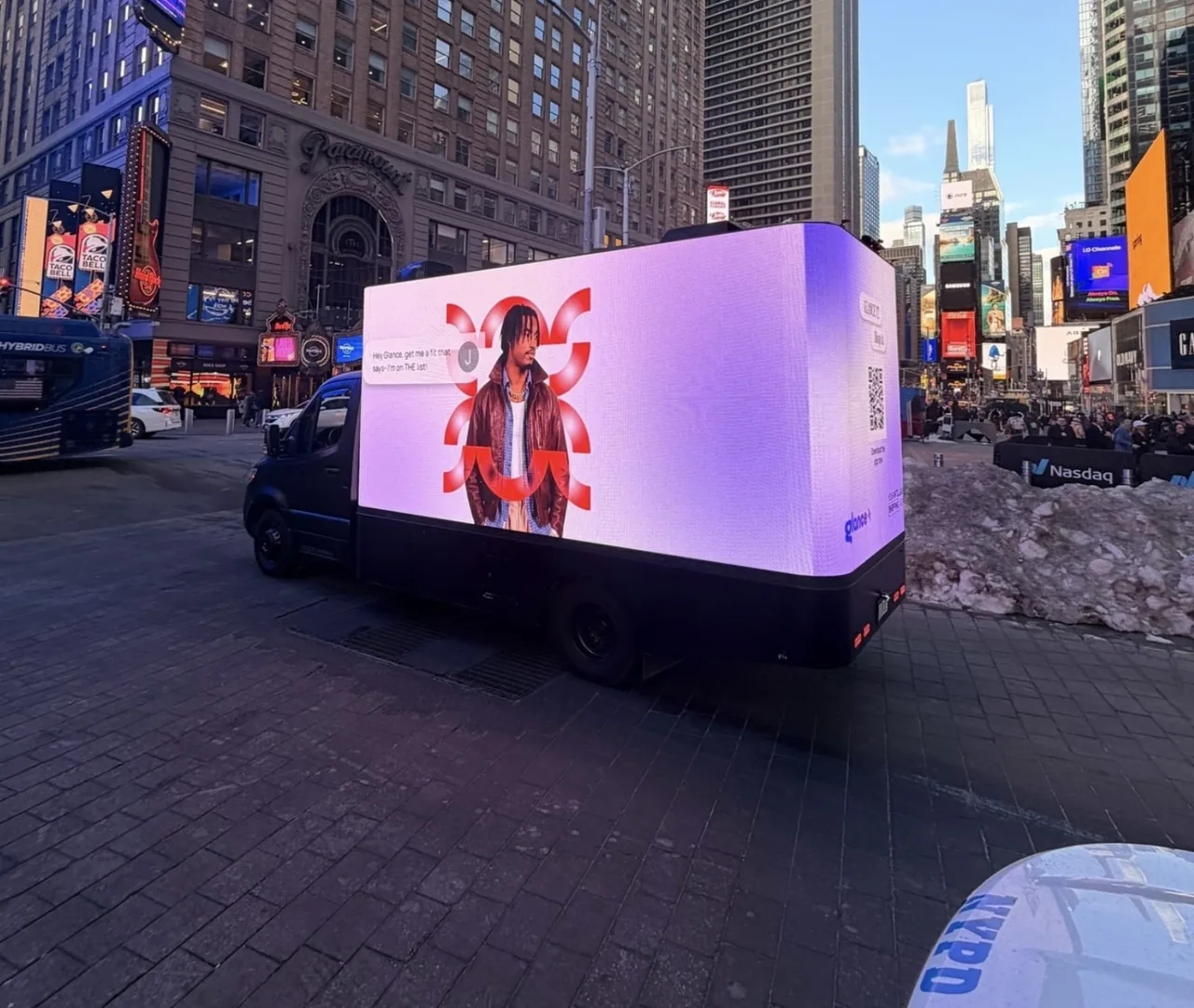
Toronto gives advertisers several very different audiences within one large market: downtown office workers, sports and concert crowds, shoppers, tourists, students and residents moving through distinct neighbourhoods. That variety makes a digital mobile billboard useful—but only when the route is built around a specific audience and legal operating plan.
A Toronto campaign should not be a generic loop around the city. The practical approach is to select a few compatible districts, choose useful dayparts and confirm vehicle, sign, parking and event requirements before promising a route. Truck availability, screen specifications and operating permissions must be verified for the requested dates.
Why Toronto fits route-based advertising
Destination Ontario describes the Entertainment District as a concentrated area for dining, nightlife and attractions, while Bloor-Yorkville is known for luxury retail. Queen Street West connects fashion, food and independent businesses, and Toronto’s waterfront adds seasonal recreation and event activity. These are not interchangeable audiences. A campaign for a premium retailer may prioritize Yorkville; an entertainment launch may be better served around Downtown West during relevant evening windows.
The city also maintains a year-round calendar of festivals and events, including City-produced programs and major cultural gatherings. Those moments can concentrate attention, but they can also create closures, traffic controls and permit requirements. A useful plan treats an event as a scheduling input—not as permission to enter a closed street, stage at a venue or imply sponsorship.
Build the route by audience, not landmarks
Entertainment District and downtown
Downtown West can support campaigns aimed at visitors, office workers, diners and event attendees. Plan around realistic arrival and departure periods rather than trying to remain beside one venue. Congestion may increase dwell time, but it can also reduce the distance covered in a shift.
Yorkville and Bloor
For luxury retail, hospitality, beauty, real estate and premium services, Yorkville may offer a more aligned audience than a broad downtown circuit. Creative should look refined and be readable quickly. Confirm truck dimensions, loading restrictions, turn access and lawful stopping before finalizing the route.
Queen Street West and adjacent districts
Queen Street West can fit fashion, music, food, culture and consumer launches. The better plan often uses a limited operating window tied to store hours or an activation, supported by social content and a memorable URL.
Waterfront and seasonal activity
Waterfront traffic changes with the season, weather and event calendar. Use it when the audience and timing support the campaign. Do not assume access to private lots, park space, ferry areas or restricted event zones.
Choose the campaign format carefully
An exclusive Total Takeover™ campaign gives one advertiser control of the truck’s creative and allows a route and schedule to be proposed around the campaign objective, subject to local law, traffic and availability. It is the clearest fit for product launches, major events, film premieres, store openings and agency media buys.
A shared campaign rotates several advertisers and normally follows an established route and schedule. The current branded shared program is ELITE 305 Miami; it should not be represented as a Toronto program. If a Toronto shared route becomes available, its name, schedule, advertiser count and category availability will be confirmed in writing. Until then, request a market-specific proposal.
A practical three-day Toronto campaign
Day one: introduce the message. Use one or two audience-aligned districts and a short headline. The goal is recognition, not citywide mileage.
Day two: connect to the moment. Shift hours toward the event, store, conference or customer window. Update creative if the campaign changes from “coming” to “today.”
Day three: reinforce action. Use “now open,” “visit today,” a short URL or another measurable next step. Review route records and response before deciding whether to extend.
Creative that works in a busy city
Toronto street environments contain competing signs, transit vehicles and storefronts. Use large type, one visual, high contrast and one action. A message that needs a paragraph belongs on the landing page, not the LED screen. Read our mobile billboard creative guide before approving artwork.
For multilingual campaigns, use separate creative frames rather than shrinking two full messages onto one screen. Test each version for readability. QR codes are most useful near pedestrians or during lawful stopped activations; drivers should never be asked to scan.
What to send for a Toronto quote
- Campaign dates and preferred operating hours
- Target audience and the districts they are likely to use
- Any event, venue, store or conference connected to the campaign
- Whether the campaign requires driving only, lawful staging or private-property access
- Approved creative, language versions and landing page
- Required reporting, such as route records or proof-of-performance images
With those details, the campaign team can check network availability, local requirements and a realistic route. No event access, parking privilege or venue affiliation is included unless it is expressly approved.
Planning a Toronto campaign?
Send us the dates, audience, districts and goal. We’ll check current truck availability and build a market-specific proposal.
Request a Toronto Quote