
Choose a Montréal destination before the operating area
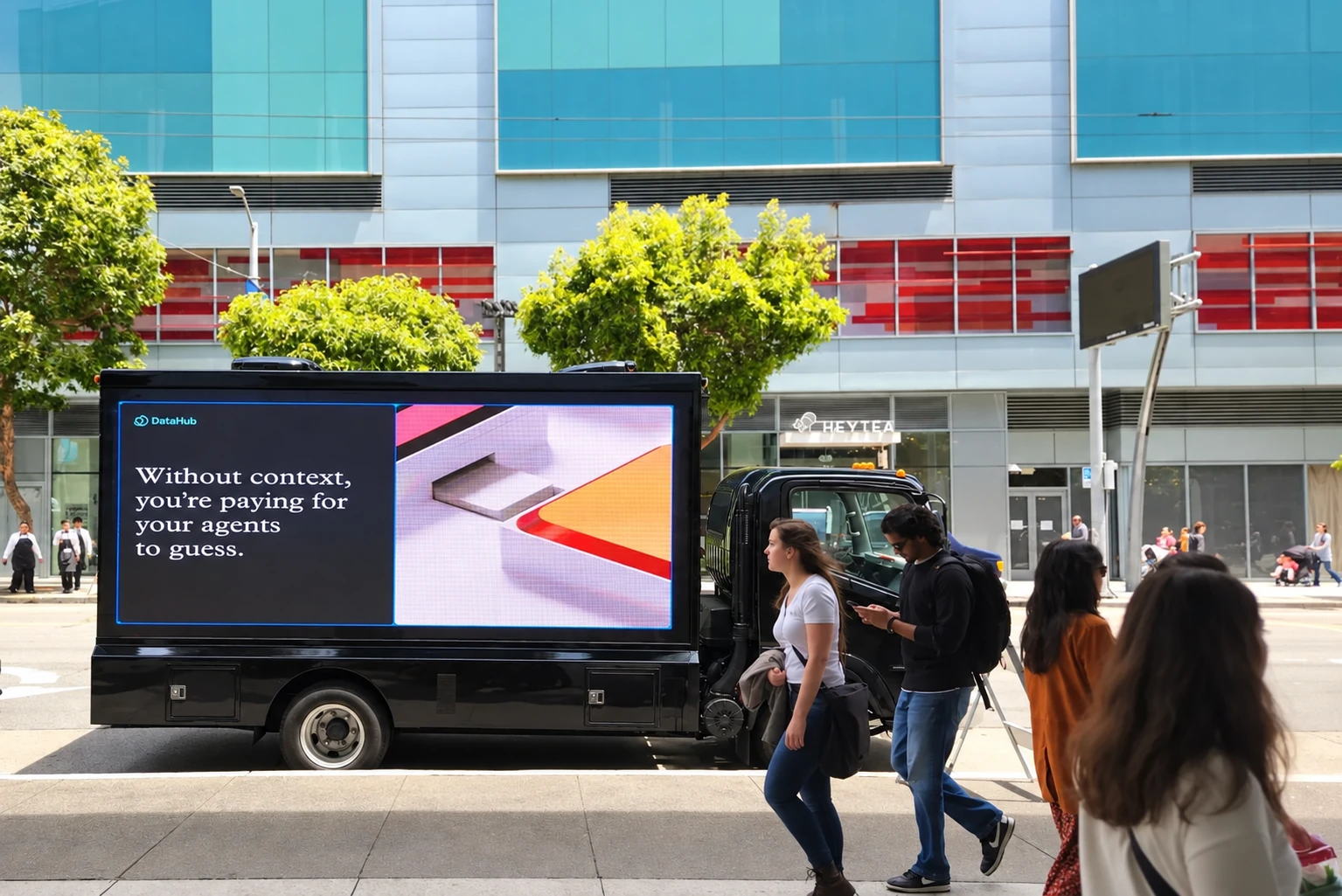
A Montréal digital mobile billboard brief should start with a real business, event, program or meeting address and one useful customer action. Convention visitors considering a technical appointment, local residents evaluating a service and people choosing a restaurant need different messages. Request the location and hours that support that action, then review an operating plan for the actual truck and dates.
Tourisme Montréal describes the Palais des congrès as a connection between the International Quarter, Old Montréal, Chinatown, the business district and the entertainment district. Those are helpful planning references, not a single approved route. A destination near the Palais and a performance invitation in the Quartier des spectacles should be scoped around their own address and schedule.
Convention and business appointments
The Palais lists its main visitor entrance at 1001 Place Jean-Paul-Riopelle. For a verified exhibitor or independent meeting, make the destination and booking path easy to use. Do not imply that a truck campaign includes booth space, event sponsorship, a venue drive or permission to stop at an entrance. AAAI-27, scheduled for February 16–23, 2027, is one dated planning anchor; its dedicated guide separates creative, program timing and local access review.
Local businesses and cultural programs
A restaurant could promote a genuine reservation option with current hours and the actual location. A service business could offer a defined consultation within its real service area. Tourisme Montréal identifies the Quartier des spectacles as a downtown arts and entertainment district; a performance-related invitation should use a verified organizer date and a real booking page. These are hypothetical campaign concepts, not reports of local customer results.
Choose one headline and one response per creative. Keep product detail, eligibility and longer explanations on a matching mobile page. If more than one language version is planned, keep each message readable and make the landing-page language consistent. Have the advertiser confirm its copy and applicable local requirements before approval.
Roads, conditions and property access
Request an operator review of the actual public-road area, vehicle dimensions, turning needs, stopping options and staging. The Palais’s visitor directions locate the venue but do not establish truck access. Indoor connections, pedestrian places and private frontage are not included merely because they appear on a map. Confirm any requested property use separately.
Use current Québec 511 information for Montréal to check conditions and roadwork before setting the day’s operating windows. Weather, closures, loading activity and local controls can change the practical plan. For multi-market requests, allocate Montréal display hours separately from travel or another city’s schedule; a Toronto campaign is a distinct local request.
Budget and delivery
Ask for a proposal based on the dates, local hours, truck count, travel, artwork changes and reporting needed for your brief. Confirm the proposal’s currency and charges. Canadian truck access is available for review, but a market listing does not reserve a vehicle or establish a local office. Ask what GPS records and campaign photographs are included and distinguish documented delivery from audience estimates or guaranteed results.
Track an action you can fulfill
Use a campaign-specific response page, appropriate tracked phone number or tagged link. A technical appointment, application and dining reservation are different outcomes; measure the completed action that matters to the advertiser. Test the form, confirmation and follow-up process on a phone before display begins.
Primary local planning resources
- Tourisme Montréal: the convention district
- Tourisme Montréal: Quartier des spectacles
- Palais visitor directions
- Québec 511 Montréal road conditions
Local resources checked November 1, 2026. Confirm the current destination, calendar and conditions for the campaign dates.