
healthcare and universities
Choose one service, screening, recruitment or community-awareness objective. Use approved wording and a simple appointment, information or application destination.
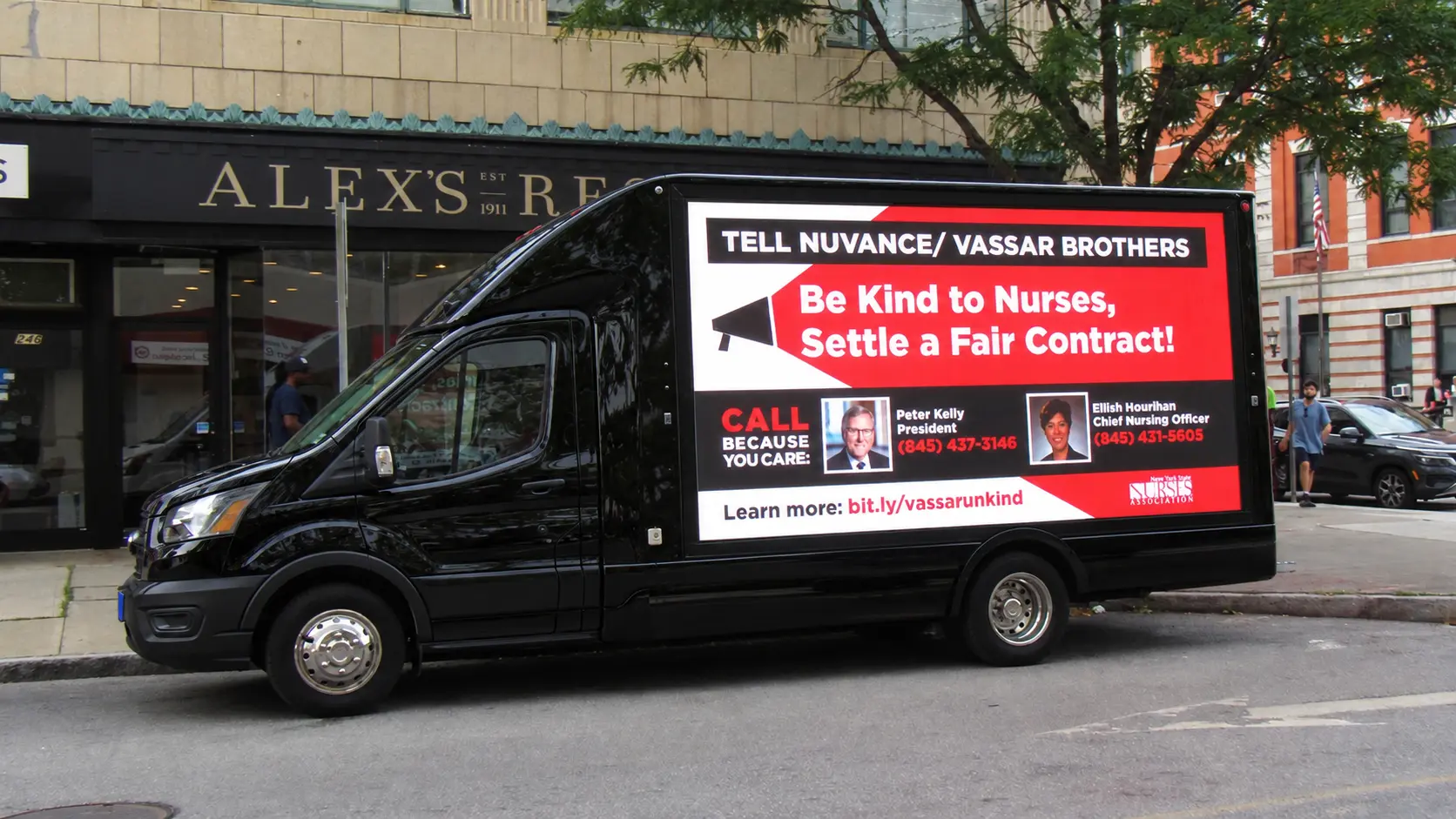
Philadelphia offers dense healthcare, education, history, business, convention, neighborhood and sports audiences. Request a dedicated LED truck campaign with operating dates, creative and route priorities tailored to your Philadelphia audience.
Connect Center City and convention traffic with University City, historic districts or sports-event crowds according to the campaign objective.
Routes are customized around campaign goals, traffic conditions, local operating rules, truck availability and approved staging areas. The districts below are useful planning points—not fixed routes or limits.
A focused mobile campaign can follow different audiences by district, event and time of day.
Choose one service, screening, recruitment or community-awareness objective. Use approved wording and a simple appointment, information or application destination.
Lead with your booth, meeting location or product demonstration. Match operating hours to delegate arrival and departure windows, and send interested viewers to a short event landing page.
Plan around the specific game or event schedule. Use one timely offer, such as a dining destination or brand activation, and separate arrival coverage from post-event activity.
Choose a single business benefit, launch or recruiting message. Align the requested districts and operating window with the intended audience, then use a dedicated inquiry or application page.
Use one digital mobile billboard for a focused activation or coordinate multiple trucks for a regional launch, political campaign, convention, tour, product release or major event. Campaign reporting can include GPS route documentation and operating confirmation.
Your city does not have to be listed to request service. We check the closest available operator and build the campaign around the actual target area.
Need a smaller community or a route between cities? Include it in the quote request. We cover major metros, secondary markets and locations in between, subject to availability.
June 7–10, 2027. Reach biotechnology executives, partnering teams and service providers with an appointment or platform-introduction message. Link to a current meeting-request page rather than packing technical details onto the screen. Review organizer marketing rules and choose feasible attendee travel windows; sponsorship, attendee access and property placement require separate authorization.
Organizer datesFind related eventsRequest campaign availability
May 19–22, 2027 (expo May 19–21). Show architects and design professionals one building-product benefit, demonstration or meeting invitation. Separate expo-day scheduling from the full conference dates and connect creative to a relevant product or appointment page. Confirm operating feasibility and organizer promotion rules; conference sponsorship, venue entry and guaranteed placement are not included.
Organizer datesFind related eventsRequest campaign availability
Choose the customer action and the actual street environment before requesting a Philadelphia convention-area campaign.
The Pennsylvania Convention Center identifies North Broad Street and Arch Street as distinct arrival contexts, with Reading Terminal Market connected to the Arch Street side. Ask which entrance matters for your particular event and audience. A building name alone is not a usable route brief; confirm the event schedule, requested operating windows and the advertiser’s separate destination.
For a hypothetical business-software advertiser, “Book Your Philadelphia Demo” could lead to a short meeting-request page with real appointment slots and the meeting address. Review pedestrian crossings, loading activity, turning clearance and current restrictions before selecting road segments. A visitor drop-off point or delivery lane is not a display position, and a convention reference does not grant access to attendees or venue property.
Use the City’s outdoor-advertising guidance as one starting reference, alongside the actual vehicle, display format and street plan; a license category alone does not approve a route or stationary display. Confirm any proposed staging separately. Review agreed delivery records independently from completed appointments, qualified inquiries and sales. A booking form should distinguish a request from a confirmed meeting.
Check the venue’s official location and transport information.
Explore →Review the license scope; verify the proposed operation separately.
Explore →Include the event, entrance context, dates and meeting destination.
Explore →Plan the next step customers can actually take.
Explore →Local references checked November 17, 2026. Planning suggestions do not establish venue affiliation, property access, a guaranteed route or truck availability.
Choose the customer action first, then give us the Philadelphia operating area, dates and schedule needed to support it.
Dedicated LED truck campaignsPricing factorsCreative preparationRequest Philadelphia availability
Fast answers before you request availability.
Pricing depends on dates, operating hours, number of trucks, route complexity, creative needs and local availability. Request a quote using the actual market and schedule for an accurate recommendation.
Yes. Routes are planned around the audience, events, traffic patterns and legal operating areas. Final routes remain flexible for traffic, closures, safety and local restrictions.
Often, yes. We review the requested venue, dates, event schedule, staging options and local restrictions before confirming the plan.
Yes. Nearby and smaller markets can be requested even when they are not individually listed on the website.
Yes. Share every requested city or district and its operating window. We can compare coordinated trucks with sequential deployments, including travel time and subject to availability.
Choose your next planning step.
Find city and state campaign guides.
Explore →Compare exclusive LED truck options.
Explore →Plan around conventions, concerts and game days.
Explore →Explore truck and creative examples.
Explore →Learn about costs, creative and planning.
Explore →Share your dates, cities and campaign goal.
Explore →Share your target areas, dates and campaign goal. We’ll review availability and practical route options.
Tell us your dates, audience, event and preferred areas. We will check the network and recommend the right truck count, route and schedule.
Get a Free QuoteIndependence Hall was originally constructed as the Pennsylvania State House. Reading Terminal Market is a historic public food market that opened in 1893.
Philadelphia requires a neighborhood decision before a route decision. A history-focused Old City visitor and a customer around Reading Terminal Market may have very different next stops, so one campaign should not promise to cover both simply because they are well known. Define the advertiser’s actual destination, select one visitor or resident need and provide a direct reservation or ordering action. The mobile page should identify the neighborhood, entrance, availability and travel options. Check the proposed street sequence for current access and curb conditions. Use completed bookings or collected orders to assess results, and keep public landmarks separate from claims of permission or institutional partnership.
Dense pedestrian activity, delivery areas and landmark management require a specific Philadelphia street review. National Park Service property and market facilities are not assumed commercial display locations.
A hypothetical independent restaurant could use “History by Day, Your Table Tonight” for visitors interested in Independence Hall. Promote a reservable meal at its actual Old City location. The response page should show menu choices, accessibility and precise entrance directions, keeping the offer separate from National Park Service tours, ticket arrangements or any official visitor partnership.
A professional services advertiser could test “Philadelphia Ideas, A Real Conversation” for visitors combining business with the Reading Terminal Market area. Offer a scheduled consultation at the firm’s own office. The landing page would explain its actual specialty, meeting duration and qualification questions, giving interested people a practical next step without promising access to convention attendees.
An independent maker shop might propose “Take Home a Philadelphia Original” with a browse appointment for a real locally produced collection. Show the work with the maker’s permission and direct shoppers to price ranges and collection details. Identify the exact neighborhood and storefront online so the offer remains useful in a city with many distinct retail districts.
These are illustrative campaign ideas, not claims of previous bookings in these locations.
National Park Service Independence Hall ↗
Reading Terminal Market visitor guide ↗
Share your dates, audience and operating scope.
Explore →Compare the full state directory.
Explore →Continue with neighboring market planning.
Explore →Continue with neighboring market planning.
Explore →Continue with neighboring market planning.
Explore →Dense pedestrian activity, delivery areas and landmark management require a specific Philadelphia street review. National Park Service property and market facilities are not assumed commercial display locations.
A hypothetical independent restaurant could use “History by Day, Your Table Tonight” for visitors interested in Independence Hall. Promote a reservable meal at its actual Old City location. The response page should show menu choices, accessibility and precise entrance directions, keeping the offer separate from National Park Service tours, ticket arrangements or any official visitor partnership.
Philadelphia requires a neighborhood decision before a route decision. A history-focused Old City visitor and a customer around Reading Terminal Market may have very different next stops, so one campaign should not promise to cover both simply because they are well known. Define the advertiser’s actual destination, select one visitor or resident need and provide a direct reservation or ordering action. The mobile page should identify the neighborhood, entrance, availability and travel options. Check the proposed street sequence for current access and curb conditions. Use completed bookings or collected orders to assess results, and keep public landmarks separate from claims of permission or institutional partnership.