
tourism and hospitality
Give visitors a clear reason to visit, book or learn more. Specify the destination, operating dates and hours so the route can be planned around the right travel or hospitality audience.
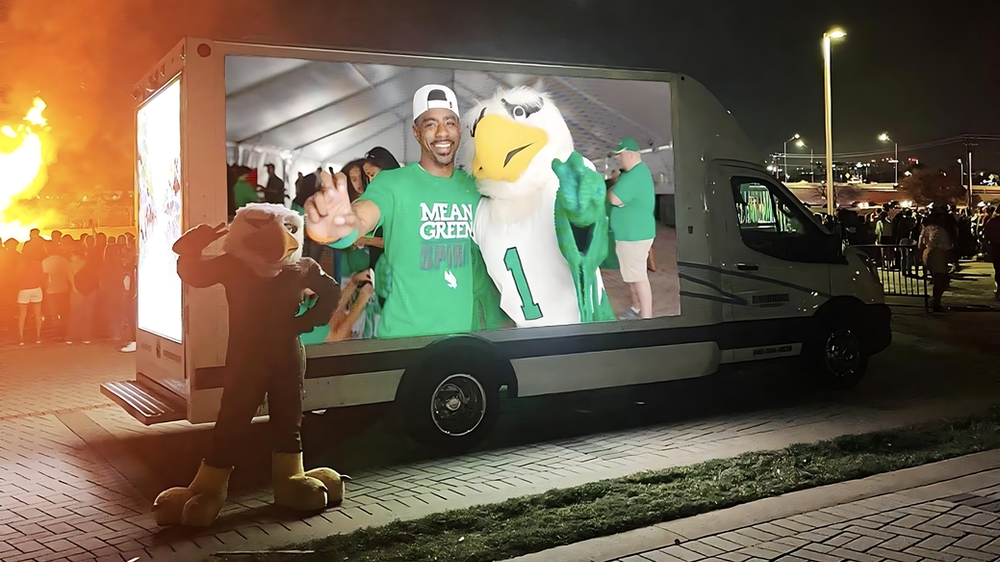
Charleston combines tourism, hospitality, port business, healthcare, higher education, weddings, conventions and regional consumer audiences. Request a dedicated LED truck campaign with operating dates, creative and route priorities tailored to your Charleston audience.
Use compact downtown and Upper King windows where access permits, then schedule North Charleston convention or Daniel Island event activity as separate route zones to avoid unproductive cross-market travel.
Routes are customized around campaign goals, traffic conditions, local operating rules, truck availability and approved staging areas. The districts below are useful planning points—not fixed routes or limits.
A focused mobile campaign can follow different audiences by district, event and time of day.
Give visitors a clear reason to visit, book or learn more. Specify the destination, operating dates and hours so the route can be planned around the right travel or hospitality audience.
Define the campaign objective, the destination or response you want, and the hours when the intended audience is relevant. Keep the creative focused on one clear action.
Choose a single business benefit, launch or recruiting message. Align the requested districts and operating window with the intended audience, then use a dedicated inquiry or application page.
Choose one service, screening, recruitment or community-awareness objective. Use approved wording and a simple appointment, information or application destination.
Use one digital mobile billboard for a focused activation or coordinate multiple trucks for a regional launch, political campaign, convention, tour, product release or major event. Campaign reporting can include GPS route documentation and operating confirmation.
Your city does not have to be listed to request service. We check the closest available operator and build the campaign around the actual target area.
Need a smaller community or a route between cities? Include it in the quote request. We cover major metros, secondary markets and locations in between, subject to availability.
Choose the customer action first, then give us the Charleston operating area, dates and schedule needed to support it.
Dedicated LED truck campaignsPricing factorsCreative preparationRequest Charleston availability
Fast answers before you request availability.
Pricing depends on dates, operating hours, number of trucks, route complexity, creative needs and local availability. Request a quote using the actual market and schedule for an accurate recommendation.
Yes. Routes are planned around the audience, events, traffic patterns and legal operating areas. Final routes remain flexible for traffic, closures, safety and local restrictions.
Often, yes. We review the requested venue, dates, event schedule, staging options and local restrictions before confirming the plan.
Yes. Nearby and smaller markets can be requested even when they are not individually listed on the website.
Yes. Share every requested city or district and its operating window. We can compare coordinated trucks with sequential deployments, including travel time and subject to availability.
Choose your next planning step.
Find city and state campaign guides.
Explore →Compare exclusive LED truck options.
Explore →Plan around conventions, concerts and game days.
Explore →Explore truck and creative examples.
Explore →Learn about costs, creative and planning.
Explore →Share your dates, cities and campaign goal.
Explore →Share your target areas, dates and campaign goal. We’ll review availability and practical route options.
Tell us your dates, audience, event and preferred areas. We will check the network and recommend the right truck count, route and schedule.
Get a Free QuoteCharleston City Market spans four blocks of vendors. King Street has fashion and furnishings retailers, while Broad Street has art galleries.
Charleston requires a distinction between visitors browsing the historic market, customers making a specific King Street retail trip and residents seeking a service. These are related urban settings, but each purchase has a different next step. A gallery can advertise a viewing appointment; a retailer may offer collection of a featured product; a restaurant needs a reservation page with its actual location and policies. Use a limited set of appropriate approaches to that business rather than promising coverage of every historic landmark. Downtown vehicle size, loading activity and pedestrian movements need operational review before an itinerary is confirmed, and market property should not be presented as automatically available campaign space.
Check peninsula street geometry and loading conditions for the specific truck; market aisles, sidewalks and gallery property do not establish display permission.
A hypothetical retailer could show one compact gift and offer collection at its own Charleston shop. Include a confirmed price and a short product page that explains materials and wrapping. The customer can make a considered purchase while planning a Market or King Street outing, with collection instructions supplied by the retailer rather than invented curbside arrangements.
A Charleston gallery could feature a particular artwork and invite a viewing appointment for customers interested in a more focused visit. The landing page should show scale, medium, artist information and inquiry terms. The creative can relate to Broad Street’s arts context without claiming that the artist, neighboring galleries or the city sponsor the mobile display.
A restaurant could advertise a specific dining experience with an actual dish and its own reservation URL. The booking page should explain menu, location and cancellation policies, allowing a sightseeing visitor or resident to decide whether the meal fits their plans. Avoid suggesting a bundled market ticket, landmark partnership or a guaranteed table on a particular day.
These are illustrative campaign ideas, not claims of previous bookings in these locations.
Share your dates, audience and operating scope.
Explore →Compare the full state directory.
Explore →Continue with neighboring market planning.
Explore →Continue with neighboring market planning.
Explore →Continue with neighboring market planning.
Explore →Check peninsula street geometry and loading conditions for the specific truck; market aisles, sidewalks and gallery property do not establish display permission.
A hypothetical retailer could show one compact gift and offer collection at its own Charleston shop. Include a confirmed price and a short product page that explains materials and wrapping. The customer can make a considered purchase while planning a Market or King Street outing, with collection instructions supplied by the retailer rather than invented curbside arrangements.
Charleston requires a distinction between visitors browsing the historic market, customers making a specific King Street retail trip and residents seeking a service. These are related urban settings, but each purchase has a different next step. A gallery can advertise a viewing appointment; a retailer may offer collection of a featured product; a restaurant needs a reservation page with its actual location and policies. Use a limited set of appropriate approaches to that business rather than promising coverage of every historic landmark. Downtown vehicle size, loading activity and pedestrian movements need operational review before an itinerary is confirmed, and market property should not be presented as automatically available campaign space.