
conventions and meetings
Lead with your booth, meeting location or product demonstration. Match operating hours to delegate arrival and departure windows, and send interested viewers to a short event landing page.
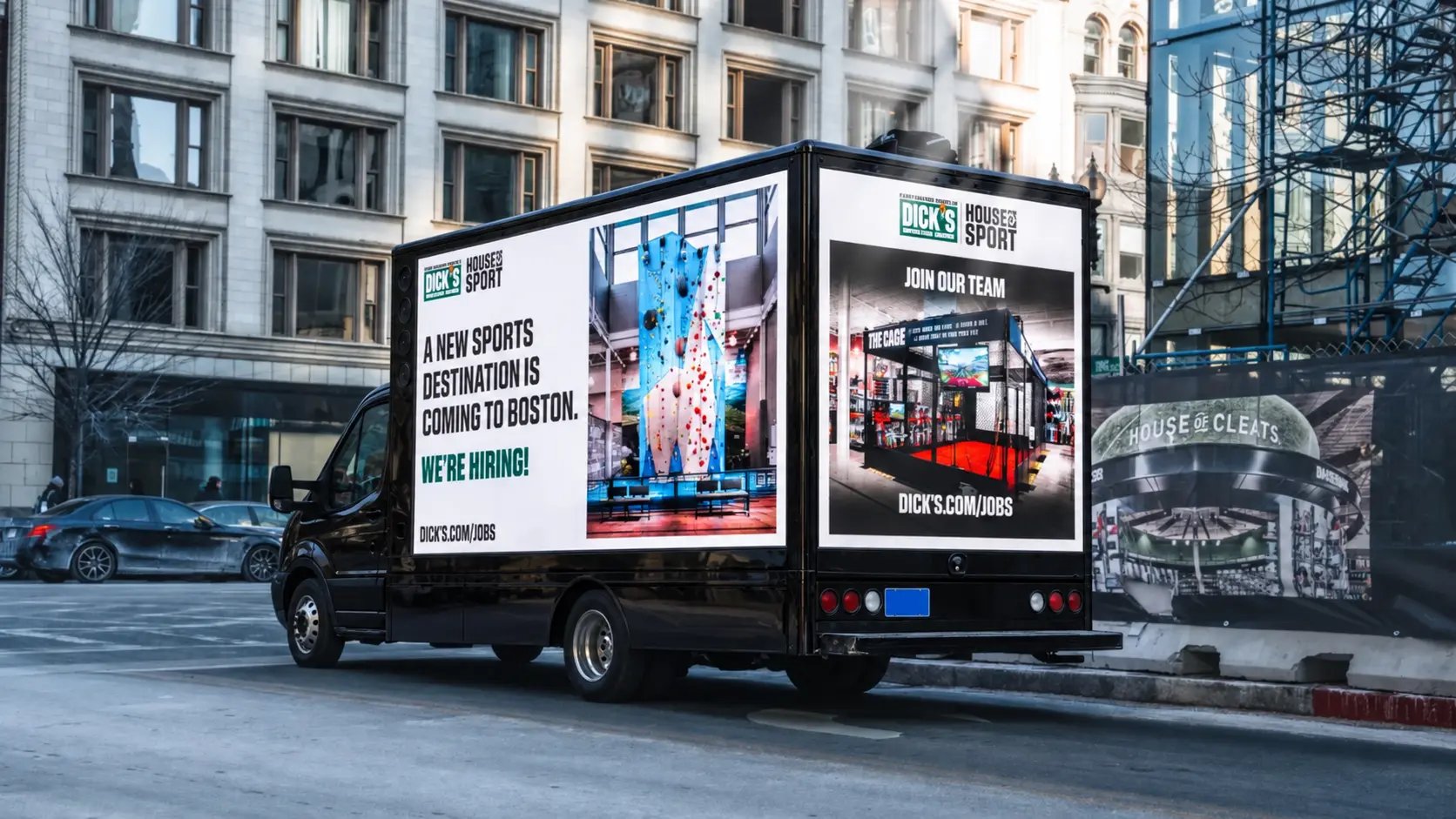
Plan Tacoma mobile billboard routes around downtown meetings, Dome District events, waterfront visitors and South Sound sports audiences. Request a dedicated LED truck campaign with operating dates, creative and route priorities tailored to your Tacoma audience.
Museum, Dome and parking properties have their own managers. Ordinary admission or parking permission does not include advertising vehicle staging or venue affiliation.
Pair Downtown, the Convention Center and Museum District for weekday and meeting traffic. Build Tacoma Dome or Cheney Stadium blocks around confirmed event schedules, and treat Point Ruston as a separate waterfront window rather than losing operating time in cross-city travel.
Routes are customized around campaign goals, traffic conditions, local operating rules, truck availability and approved staging areas. The districts below are useful planning points—not fixed routes or limits.
A focused mobile campaign can follow different audiences by district, event and time of day.
Lead with your booth, meeting location or product demonstration. Match operating hours to delegate arrival and departure windows, and send interested viewers to a short event landing page.
Plan around the specific game or event schedule. Use one timely offer, such as a dining destination or brand activation, and separate arrival coverage from post-event activity.
Put the artist, event or attraction first, with one date or next step. Coordinate the truck schedule with audience arrival and departure rather than trying to cover every entertainment area at once.
Focus on one offer and the place customers should visit. Keep the operating area relevant to that destination, and use a memorable URL or a clear store location in the creative.
Use one digital mobile billboard for a focused activation or coordinate multiple trucks for a regional launch, political campaign, convention, tour, product release or major event. Campaign reporting can include GPS route documentation and operating confirmation.
Your city does not have to be listed to request service. We check the closest available operator and build the campaign around the actual target area.
Need a smaller community or a route between cities? Include it in the quote request. We cover major metros, secondary markets and locations in between, subject to availability.
Choose the customer action first, then give us the Tacoma operating area, dates and schedule needed to support it.
Dedicated LED truck campaignsPricing factorsCreative preparationRequest Tacoma availability
Fast answers before you request availability.
Yes, but the cities should be planned as separate operating blocks or separate trucks. Include both markets in the quote so travel time, event traffic and audience windows are budgeted realistically.
Pricing depends on dates, operating hours, number of trucks, route complexity, creative needs and local availability. Request a quote using the actual market and schedule for an accurate recommendation.
Yes. Routes are planned around the audience, events, traffic patterns and legal operating areas. Final routes remain flexible for traffic, closures, safety and local restrictions.
Often, yes. We review the requested venue, dates, event schedule, staging options and local restrictions before confirming the plan.
Yes. Nearby and smaller markets can be requested even when they are not individually listed on the website.
Choose your next planning step.
Find city and state campaign guides.
Explore →Compare exclusive LED truck options.
Explore →Plan around conventions, concerts and game days.
Explore →Explore truck and creative examples.
Explore →Learn about costs, creative and planning.
Explore →Share your dates, cities and campaign goal.
Explore →Share your target areas, dates and campaign goal. We’ll review availability and practical route options.
Tell us your dates, audience, event and preferred areas. We will check the network and recommend the right truck count, route and schedule.
Get a Free QuoteMuseum of Glass is located in Tacoma. LeMay–America’s Car Museum is located near the Tacoma Dome area.
An art-museum visitor and an automotive-interest visitor need different product and dining invitations. Keep the advertiser’s own destination explicit and use separate response pages to learn which audience produces qualified inquiries. Identify the real storefront or program entrance, requested dates and operating hours before asking for a vehicle proposal. Compare a short local schedule with a separate regional request rather than folding transfer time into display time. Keep each message readable, send customers to a mobile page that repeats the offer, and measure completed bookings or qualified inquiries rather than claiming that travel alone creates customers.
Museum, Dome and parking properties have their own managers. Ordinary admission or parking permission does not include advertising vehicle staging or venue affiliation.
A restaurant could invite museum visitors to reserve a meal at its separate Tacoma location. Use one product photograph, a readable headline and a short response address. Put prices, eligibility, operating hours and directions on the matching page after the advertiser confirms them. This is a hypothetical creative brief, not evidence of a previous campaign or venue relationship.
A retailer could show one design-oriented home item to people interested in glass art without suggesting Museum of Glass endorsement. Keep the message limited to the advertiser’s actual service and one next step. A dedicated mobile page can explain current inventory, booking terms and opening hours. Track completed responses through an appropriate campaign code without promising audience totals, sales or participation.
An automotive service could promote a scheduled consultation for enthusiasts planning a LeMay visit. Show the organization name, a concise benefit and a memorable sign-up or booking address. Confirm the schedule and availability before using any offer in public. The response form should distinguish a genuine request from a casual page visit and give the customer a practical next step.
These are illustrative campaign ideas, not claims of previous bookings in these locations.
Museum, Dome and parking properties have their own managers. Ordinary admission or parking permission does not include advertising vehicle staging or venue affiliation.
A restaurant could invite museum visitors to reserve a meal at its separate Tacoma location. Use one product photograph, a readable headline and a short response address. Put prices, eligibility, operating hours and directions on the matching page after the advertiser confirms them. This is a hypothetical creative brief, not evidence of a previous campaign or venue relationship.
An art-museum visitor and an automotive-interest visitor need different product and dining invitations. Keep the advertiser’s own destination explicit and use separate response pages to learn which audience produces qualified inquiries. Identify the real storefront or program entrance, requested dates and operating hours before asking for a vehicle proposal. Compare a short local schedule with a separate regional request rather than folding transfer time into display time. Keep each message readable, send customers to a mobile page that repeats the offer, and measure completed bookings or qualified inquiries rather than claiming that travel alone creates customers.