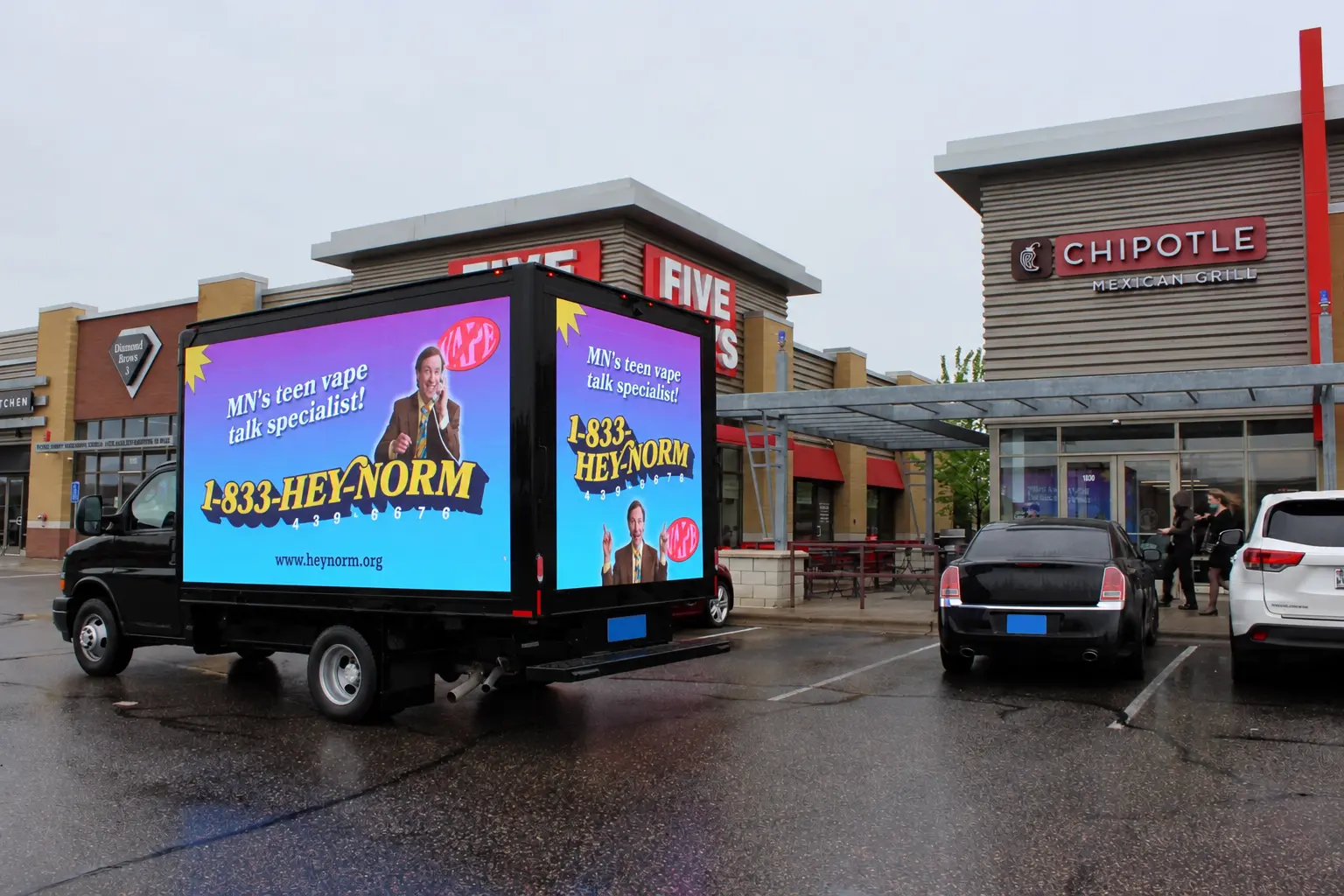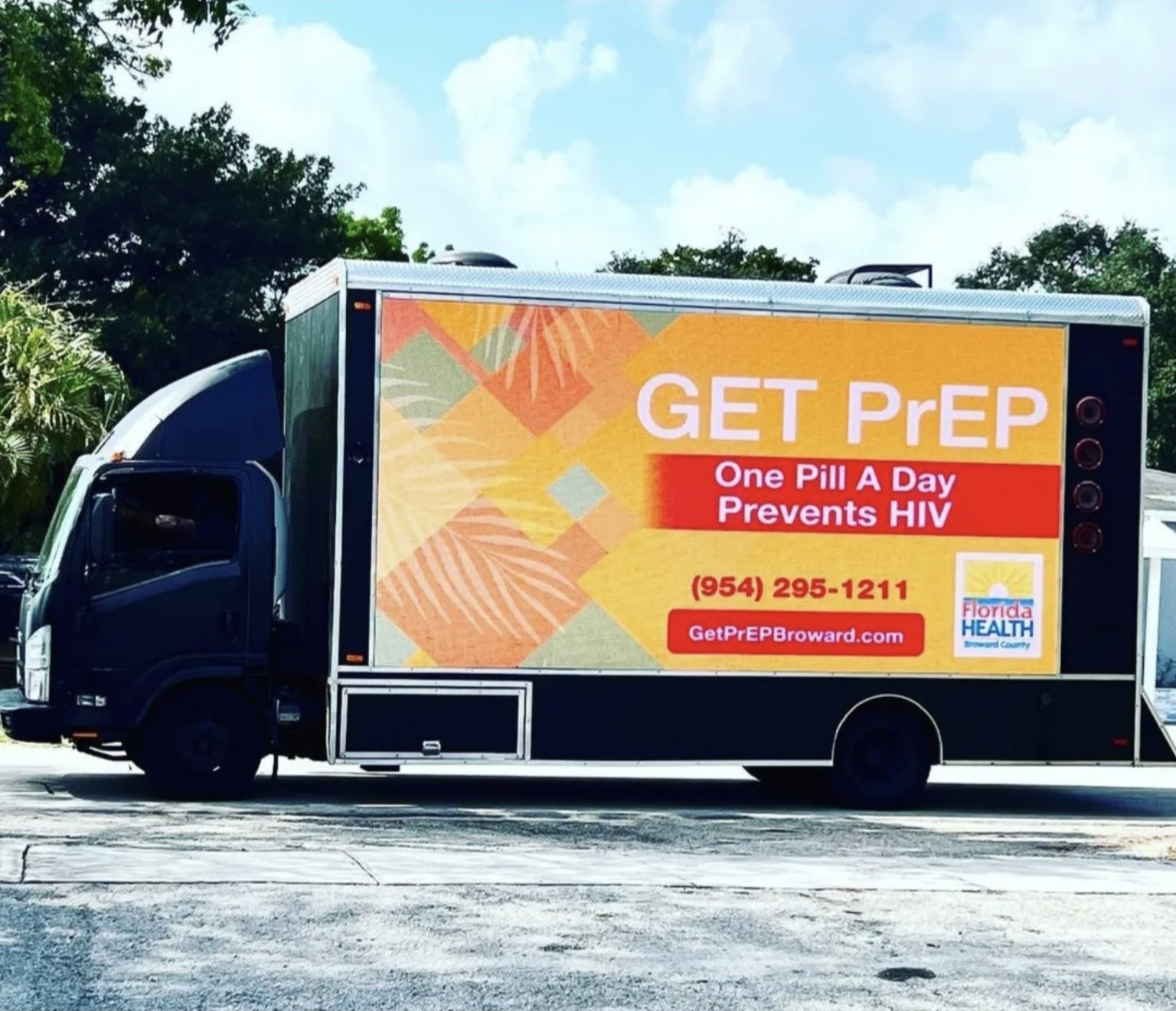
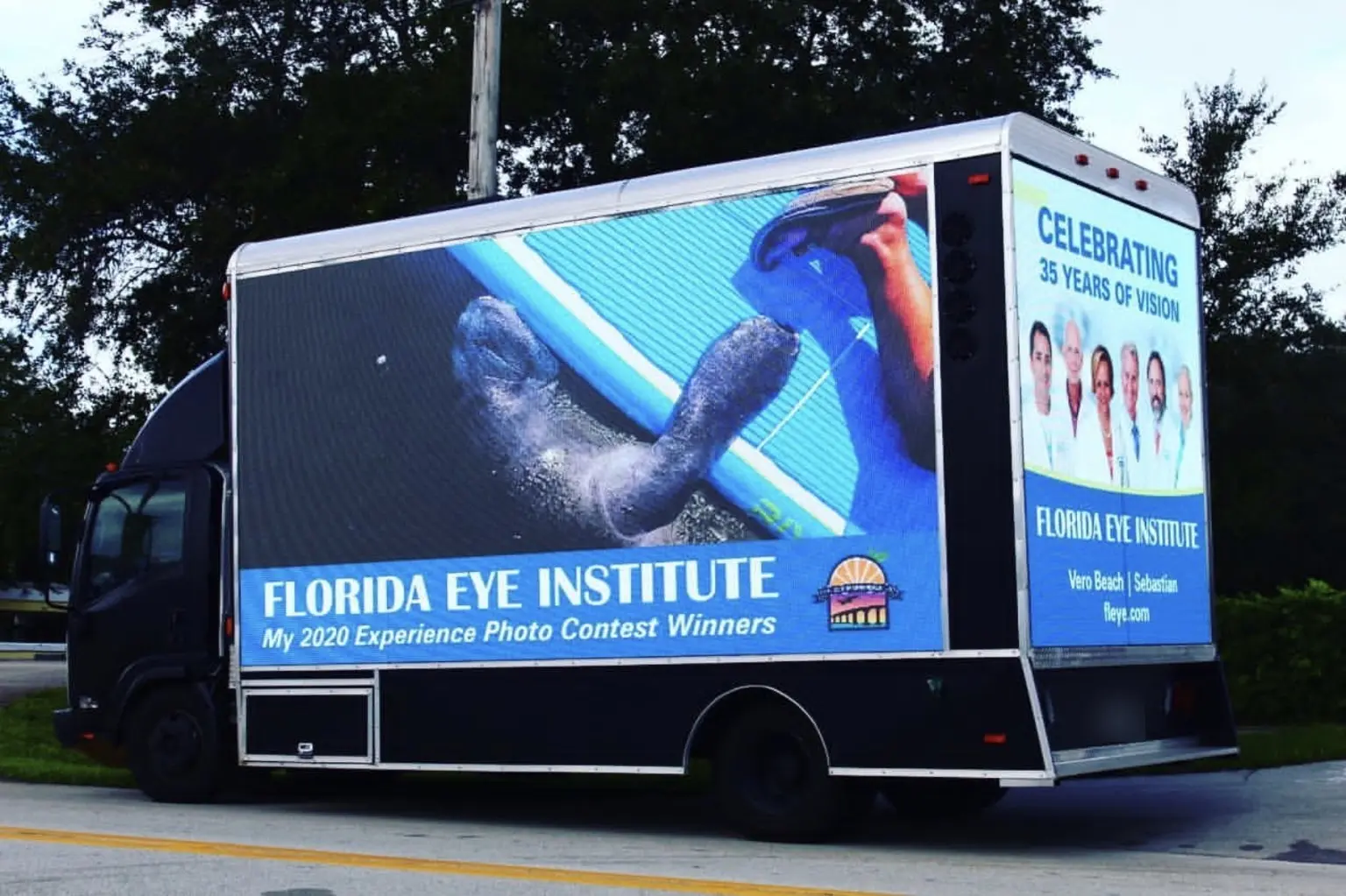
Healthcare marketing often has a geographic problem. A clinic may serve several neighborhoods, a screening program may operate for one weekend, and an urgent hiring need may be concentrated around a hospital campus. Digital mobile billboards can bring a short public message to those areas without asking the campaign to cover an entire media market.
The format works best when the advertiser makes three decisions early: who needs the message, where that audience moves, and what useful action they can take next. It is not a substitute for patient communication, detailed medical information or professional compliance review. It is a high-visibility way to introduce one clear message and direct people to an appropriate destination.
Start with one healthcare campaign objective
“Build awareness” is too broad to plan a route or judge a result. Choose a specific operational goal such as announcing a new clinic, promoting an approved screening event, recruiting nurses, supporting a blood drive, introducing a service line or directing residents to a public-health information page.
Then define the next step. That might be an appointment page, event-registration form, careers page, memorable phone number or short URL. A campaign-specific destination makes the response easier to measure and keeps detailed information off a screen that people see for only a few seconds.
Match routes to the audience journey
Begin with places the intended audience already uses, not a list of famous landmarks. For a neighborhood clinic, that could include retail corridors, commuter approaches and community gathering areas within a realistic drive time. A recruitment campaign may focus on professional conferences, healthcare campuses and commuting windows. A screening event may need repeated visibility along routes leading toward the event site.
Build the operating plan in blocks. A morning block can reach commuters near the service area, midday can support business districts or campuses, and an evening block can reinforce residential approaches. A tightly planned loop often creates more useful repetition than an ambitious route that spends much of the shift traveling between distant districts.
Four practical healthcare campaign plays
1. Clinic opening or new service
Use an advance phase to establish the name, neighborhood and opening date, then change the message to “Now Open” when appointments begin. Keep the route close enough that viewers can realistically use the location. If parking, referral or insurance details matter, place them on the linked landing page instead of crowding the screen.
2. Screening or community-health event
Lead with the event, date and eligibility statement approved by the organizer. Pair a short URL with a QR code for pedestrians and stopped viewers. In the final days, route near participating community locations and arrival corridors, then update the creative if registration closes or capacity changes.
3. Healthcare recruitment
Recruitment creative should name the role family, location and next step: “Nurses: Explore Local Openings” is easier to process than a list of vacancies and benefits. Route near relevant conferences, training programs and commuting corridors while avoiding any suggestion that another facility or event endorses the advertiser.
4. Public education and community outreach
Use plain language, a strong visual hierarchy and a trusted destination. The CDC’s Clear Communication Index is a useful framework for reviewing whether public information has one main message, a clear call to action and understandable language. Multilingual creative can be rotated by route or daypart when the audience plan supports it; translations should be reviewed by qualified people rather than copied into a design without context.
Design for a five-second encounter
A strong screen usually contains a short headline, one relevant image, the organization name and one next step. Use large type, high contrast and generous spacing. Avoid paragraphs, long disclaimers, complex maps and several competing phone numbers. Test the design at reduced size and on the actual screen specifications before it runs.
A QR code can support the campaign, but it should not be the only path. It is most useful for pedestrians and people who are already stopped; creative should never encourage someone to scan while driving. Use a short URL or recognizable search phrase as a fallback, and send every destination to a fast, accessible mobile page.
For more execution detail, see our guide to designing readable LED truck creative and our practical article on mobile billboards and QR codes.
Keep privacy and regulated claims in the approval process
Public advertising should not reveal patient information or imply that an individual is receiving care. HHS explains that HIPAA-covered entities generally need an individual’s authorization when protected health information is used or disclosed for communications that meet the Privacy Rule’s definition of marketing. Review the current HHS marketing guidance with the organization’s privacy and legal teams.
Service claims, screening eligibility, prices, insurance language and outcome statements should also go through the advertiser’s normal clinical, legal and brand review. Prescription-drug promotion carries additional FDA requirements; FDA identifies false or misleading claims and a failure to present a fair balance of risk and benefit information as concerns. A mobile billboard’s limited reading time makes it especially important to avoid turning a regulated product claim into an oversimplified street message.
Accessibility belongs in the campaign brief, too. Use legible contrast, accessible landing pages and a clear way to obtain more information. Organizations covered by federal civil-rights requirements should have their compliance teams review language access and effective-communication obligations; HHS maintains current civil-rights guidance for health and social-service providers.
This guide is campaign-planning information, not legal, clinical or regulatory advice. The advertiser is responsible for approving all claims and determining which rules apply.
Choose shared or exclusive operation deliberately
An exclusive Total Takeover™ campaign gives one advertiser control of the booked truck’s creative and operating plan, subject to local rules and availability. It fits a clinic launch, dated screening event, recruitment push or multi-day route where timing and message changes matter.
A shared program such as ELITE 305 can provide repeated local presence at a lower entry point in an active market with available category space. The advertiser shares the screen rotation and does not control the full route or schedule. Availability, categories and program details must be confirmed for the requested dates.
Build measurement into the brief
Use a campaign-specific landing page, tagged URL, QR destination, trackable phone number, appointment-source field or event-registration code. Compare activity by date and operating block. Ask frontline teams to record how visitors heard about the program using a consistent field rather than an informal conversation.
Route logs document where and when the truck operated. They do not, by themselves, count patients or prove return on investment. The most credible review combines delivery records with first-party outcomes such as qualified visits, completed registrations, calls or applications.
Healthcare campaign brief
- Campaign objective and approved audience
- Market, service area and realistic travel radius
- Campaign dates, operating windows and any event schedule
- One approved message and one primary next step
- Creative assets, required approvals and accessibility review
- Privacy, claims, language and regulatory contacts
- Landing page, tracking plan and success metric
- Known traffic restrictions, campus rules or private-property permissions
Send those details with the requested market and dates. We can then check geographic coverage, truck availability and route feasibility, and recommend a focused operating plan. Pricing depends on the market, format, dates, hours, truck count, production and other campaign requirements; our mobile billboard cost guide explains the variables behind a quote.
Frequently asked questions
Can a mobile billboard promote a clinic or screening event?
Yes. A campaign can announce a clinic, screening event, opening, service line or community program, subject to local operating rules and the advertiser’s legal and compliance review.
Should a healthcare billboard use a QR code?
A QR code can help pedestrians and stopped viewers reach a mobile-friendly page, but it should be secondary to a short, memorable message and should never encourage drivers to scan while moving.
How can a healthcare mobile billboard campaign be measured?
Use a campaign-specific landing page, trackable phone number, QR destination, appointment source field and route documentation. Compare results by route and daypart without treating vehicle GPS as proof of patient visits.
Is a shared or exclusive campaign better?
Exclusive operation offers control of the booked truck schedule and creative. A shared program can provide repeated local visibility where an eligible program and category space are available, but the advertiser does not control the full route or screen schedule.
Planning a healthcare campaign?
Share the market, dates, objective and approval requirements. We’ll check availability and recommend a practical route, schedule and campaign format.
Request a Healthcare Campaign Quote